Built-up roofing, often referred to as BUR, has been a trusted roofing system for over a century. Known for its layered protection and durability, BUR is commonly used on low-slope and flat commercial roofs. But like any roofing system, it comes with both benefits and drawbacks that property owners should understand before making an investment.
What Is Built-Up Roofing?
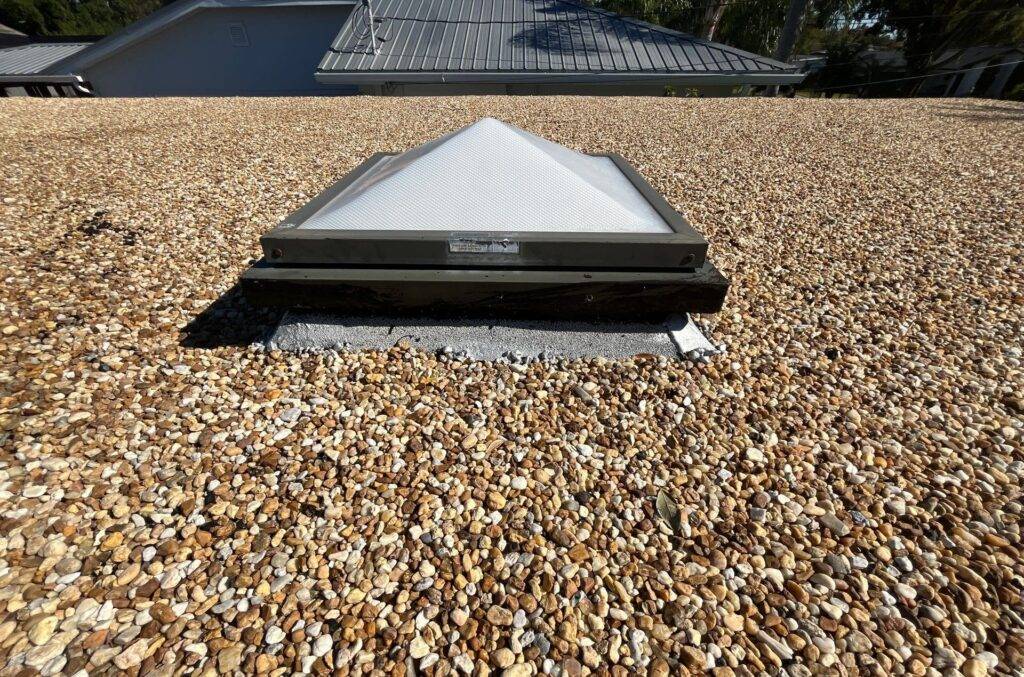
Built-up roofing is made by alternating layers of bitumen (asphalt or tar) and reinforcing fabrics, often finished with a top layer of gravel or a reflective coating. These multiple layers, or “plies,” create a thick, weather-resistant membrane designed to protect the structure from UV rays, moisture, and mechanical damage.
Advantages of Built-Up Roofing
1. Proven Track Record
BUR systems have been around for more than 100 years. Their long history of successful performance gives property owners confidence in the system’s reliability when installed correctly.
2. Multi-Layer Protection
Because BUR systems are built up in layers, they offer redundancy—if one layer fails, the others still provide protection. This multi-ply design can offer superior waterproofing and puncture resistance.
3. UV and Weather Resistance
The gravel or reflective coating on top helps protect the membrane from UV degradation and weathering, extending the roof’s service life.
Disadvantages of Built-Up Roofing
While BUR has stood the test of time, it’s not without significant challenges—especially compared to newer, more energy-efficient and environmentally friendly roofing systems.
1. Liability Issues from Hot Tar
Traditional BUR installation involves heating asphalt or tar to high temperatures, which presents safety hazards for crews and potential liability issues for property owners.
2. Complex Flashing and Transitions
Different materials are often required for flashings and penetrations, making installation more complicated and sometimes less reliable around transitions.
3. Heavy Weight on the Structure
A finished built-up roof is heavy, which can put added stress on the building’s structure. This may require additional engineering considerations for older buildings.
4. Leaks Are Difficult to Find
Because the roof is layered and often covered in gravel, locating the exact source of a leak can be challenging and time-consuming.
5. Material Breakdown from Ponding Water or Contaminants
BUR materials degrade when exposed to ponding water, grease, animal fats, and other chemicals—common issues for restaurants or buildings with rooftop equipment.
6. Fire Hazard
Since BUR materials are asphalt-based, they can ignite in a fire. This presents additional safety concerns, especially during installation or in industrial environments.
7. Energy Inefficiency
Asphalt absorbs heat quickly and releases it slowly. This can drive up cooling costs, especially in hot climates like Florida or the southern U.S.
8. Declining Material Quality
Because BUR relies on petroleum-based materials, the quality of these materials has declined over time. Manufacturers often prioritize oil barrels for more profitable products than roofing, resulting in lower-grade asphalt for construction use.
Why Many Property Owners Are Switching to PVC Roofing
In recent years, PVC (polyvinyl chloride) roofing systems have become a preferred alternative to built-up roofing—and for good reason. PVC offers many of the same benefits that made BUR popular, but with far fewer drawbacks.
PVC is a lightweight, single-ply membrane that provides exceptional waterproofing, chemical resistance, and fire resistance without the use of hot tar or heavy materials. Its white reflective surface helps reduce heat absorption, lowering energy costs and improving building efficiency. PVC roofs are also welded at the seams, creating a watertight bond that makes leaks easier to prevent and detect.
Unlike petroleum-based BUR systems, PVC is a sustainable, recyclable, and long-lasting option that performs exceptionally well in both hot and coastal climates—making it an excellent choice for property owners looking for durability, efficiency, and peace of mind.
Thinking about upgrading from a built-up roof?
Our team can evaluate your current system and show you how a PVC roof can deliver better performance, lower maintenance costs, and improved energy efficiency for years to come. Learn more about our commercial roofing solutions here.
Use the form below to give us some details about your project and we’ll get back with you as soon as possible! Or call us today at (239) 908-1700.
One of our certified inspectors will evaluate your roof, document any issues, and provide photos + recommendations — all at no cost.
Share a few quick details about yourself and your roof below. One of our experts will reach out to schedule your no-cost, no-obligation inspection. Prefer the phone? Call us directly at (239) 908-1700.
Share a few quick details about yourself and your roof below. One of our experts will reach out to schedule your no-cost, no-obligation inspection. Prefer the phone? Call us directly at (407) 841-6471
Use the form below to give us some details about your project and we’ll get back with you as soon as possible! Or call us today at (800) 303-8392.
One of our certified inspectors will evaluate your roof, document any issues, and provide photos + recommendations — all at no cost.