Is TPO Worth It? Why PVC May Be the Smarter Investment
Thermoplastic Polyolefin (TPO) roofing has become one of the most commonly installed single-ply roofing systems in the U.S., especially on…
Duro-Last is a prefabricated single-ply roofing system manufactured to the exact dimensions of each building. Unlike field-fabricated membranes, Duro-Last components are custom-cut in a controlled factory environment, reducing on-site seams and installation variability.
Once installed, seams are heat-welded to form a monolithic, watertight roofing system ideal for flat and low-slope commercial roofs.
Florida’s weather presents unique challenges, including intense heat, high humidity, heavy rainfall, and the occasional hurricane. Single ply membrane roofing systems are designed to perform exceptionally well under these conditions, offering:
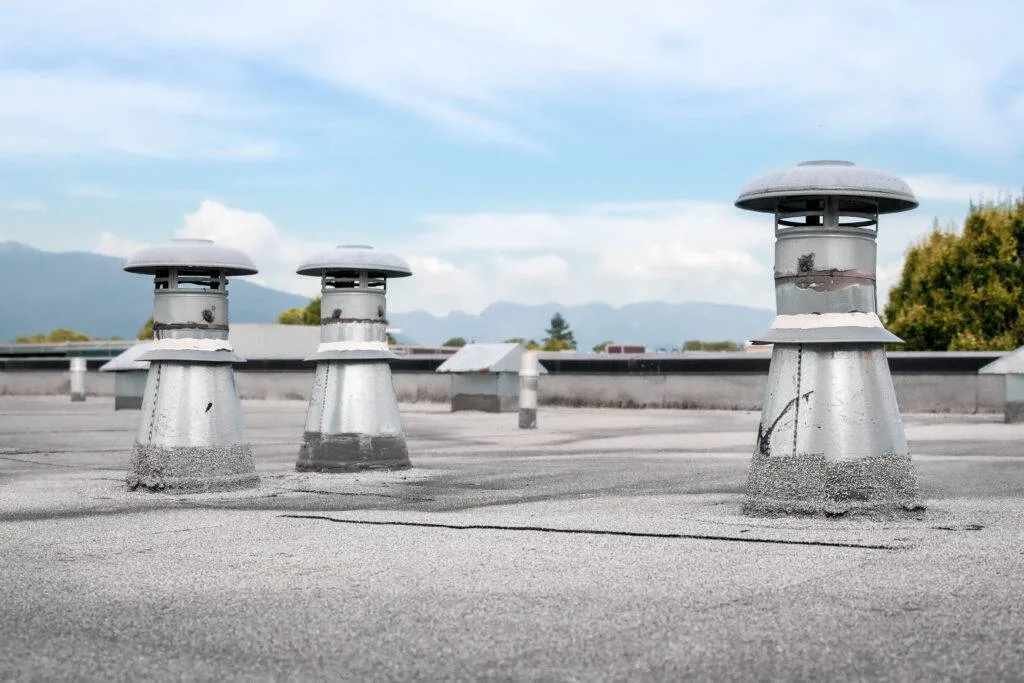
Panels are custom-fabricated to fit your building, reducing field seams and potential failure points. Deck sheets up to 2,500 square feet and prefabricated flashings for curbs, pipes and walls eliminate 80-85% of field seaming. This is where most single ply membrane roofs fail.
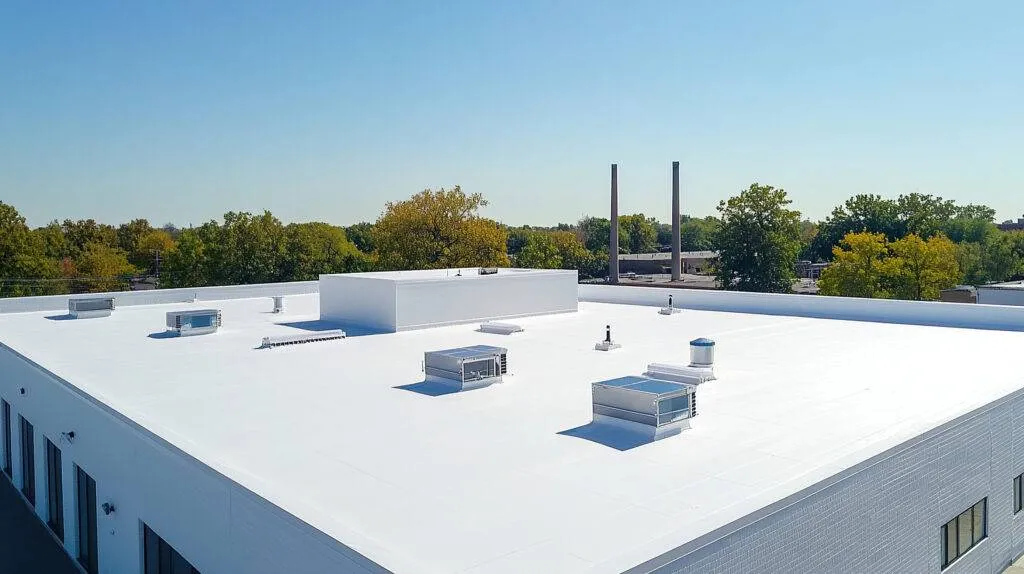
White material reflects AND sheds heat very efficiently, keeping the temperature around HVAC air intakes down. Ultimately saves energy required to cool the building. Reflective surfaces reduce energy costs and extend the roof’s lifespan.
In many cases, if there is only one roof on the building and the insulation is dry, we can do a simple recover of the existing roof with fan-fold insulation. This saves the expense, mess and operational disruptions of a tear off.
Seams are welded together to form a continuous waterproof barrier — not glued or taped.
The Duro-Last 15 year NDL warranty has no exclusions for ponding water or contact with grease/animal fat, and covers both workmanship and material, as well as building contents. (Consequential Damages) Longer warranties are available at additional charge and may require an upgrade to a higher mil thickness.
Cool roofing, particularly single-ply membrane roofing, offers significant advantages for Florida properties, where managing heat and energy efficiency is crucial. These roofs are designed with reflective surfaces that reduce heat absorption, keeping buildings cooler and lowering energy costs associated with air conditioning. Their UV resistance ensures long-term durability under Florida’s intense sun, minimizing the risk of cracking or degradation. Single-ply membranes are also lightweight and easy to install, making them a cost-effective option for both new construction and roof retrofits. Additionally, they are highly resistant to water and weathering, providing excellent protection during Florida’s rainy season and against tropical storms. These features make cool roofing an eco-friendly and practical choice for businesses and homeowners seeking energy savings, comfort, and sustainability.
Duro-Last’s flagship Bright White Membrane provides up to 88% reflectivity.
Enhancing the overall reflective properties of the building and driving down energy consumption – making Duro-Last the ideal cool roof option. With a total solar emittance of up to 87%, the Duro-Last membrane also releases energy and heat efficiently.
For commercial customers who have single properties, or who own or manage multiple facilities, centers, stores, or dealerships, and are looking for commercial roofing companies near me, Royalty provides roofing services across the continental United States from our Seymour, Indiana, headquarters or another of our strategically located offices.
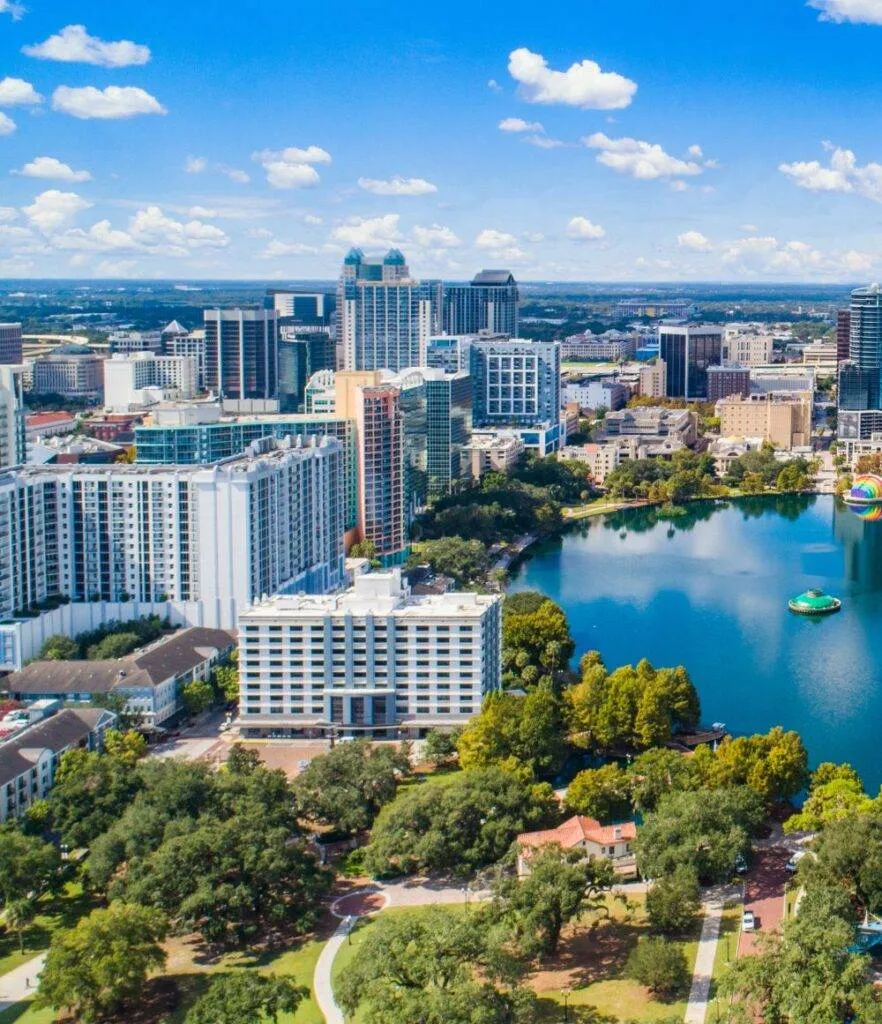
We serve commercial properties throughout Orlando and Central Florida, including:
When an existing commercial roof reaches the end of its service life or develops widespread issues, replacement is often the most reliable long-term solution. We evaluate the current roof system and recommend an approach based on building use, roof structure, and Florida code requirements.
We replace a wide range of commercial roof systems, including:
Replacement may include selective tear-off, substrate evaluation, insulation upgrades, and installation of a new roofing system designed for long-term performance.
When roof damage is localized and the system is otherwise performing well, targeted repairs can often restore performance and prevent further issues. We identify the source of leaks or damage and provide clear recommendations based on roof condition and exposure.
Our commercial roof repair services commonly address:
Repairs are completed using compatible materials and methods appropriate for the existing roof system.
The best roofing system depends on several factors including your building’s structure, how it’s used, the local climate, and your budget. For example, flat or low-slope buildings often perform well with TPO or PVC roofing because these materials are energy-efficient and resistant to UV exposure and ponding water. Metal roofing works best for sloped buildings where longevity and durability are priorities. The right choice ultimately comes down to your building’s specific needs and the conditions it faces, which is why a professional inspection is always recommended before deciding.
TPO, PVC, and EPDM are all single-ply roofing membranes designed for flat or low-slope commercial roofs, but they perform differently. Our team specializes in PVC single-ply roofing because it consistently delivers the best combination of strength, durability, and chemical resistance. PVC is highly reflective and energy-efficient, helping reduce cooling costs in hot climates, and it stands up exceptionally well to ponding water, UV exposure, and harsh rooftop environments. It’s also resistant to grease and chemicals, which makes it an excellent choice for restaurants, manufacturing facilities, and commercial buildings with rooftop exhaust systems.
While TPO and EPDM each have their place—TPO being affordable and reflective, and EPDM offering flexibility and longevity—PVC remains a preferred system for long-term performance and weather resistance. It provides a watertight seal when heat-welded, making it one of the most reliable low-slope roofing options available today.
In most cases, installing a single-ply retrofit system over an existing metal roof is a more efficient and cost-effective solution than a full tear-off and replacement. This method involves overlaying a new single-ply membrane—such as PVC—on top of the existing metal panels using a specialized insulation and fastening system. It creates a smooth, watertight surface that eliminates leaks caused by metal seams, fasteners, or panel movement.
A single-ply retrofit saves time, reduces labor costs, and avoids the disruption and waste associated with removing the old roof. It also adds insulation, improving the building’s energy efficiency and comfort. The new membrane provides superior UV protection and long-term durability, extending the life of the roof by decades.
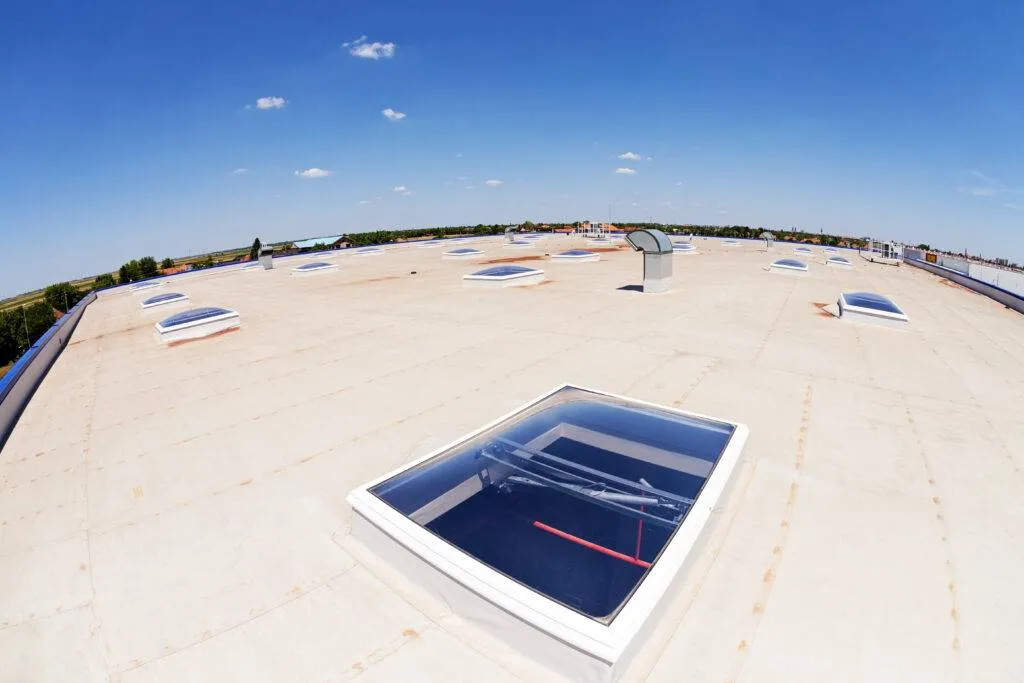
A roof is considered a flat roof when it has a very low slope, typically ¼ inch of rise per foot (¼:12) or less. While flat roofs are not completely level, they are designed with minimal slope to allow water to drain properly.
In commercial roofing, roofs with slopes up to 2:12 are often still treated as flat or low-slope roofs and require specialized roofing systems designed for waterproofing rather than water shedding. These roofs rely on membranes, proper drainage, and precise installation to perform effectively—especially in areas like Florida where heavy rainfall is common.
Flat roofs are designed with a slight slope to move water toward designated drainage points rather than allowing it to sit on the roof surface. Although they appear level, flat roofs rely on engineered drainage systems to manage rainwater effectively.
Common flat roof drainage methods include:
Internal roof drains that direct water through pipes inside the building
Scuppers that allow water to exit through the roof edge or parapet walls
Box gutters that collect and channel water away from the roof
Tapered insulation that creates slope to guide water toward drains
Proper drainage is critical for flat roof performance. When drainage systems are undersized, clogged, or improperly installed, water can pond on the roof surface, increasing the risk of leaks and long-term damage—especially during Florida’s heavy rain events.
Thermoplastic Polyolefin (TPO) roofing has become one of the most commonly installed single-ply roofing systems in the U.S., especially on…
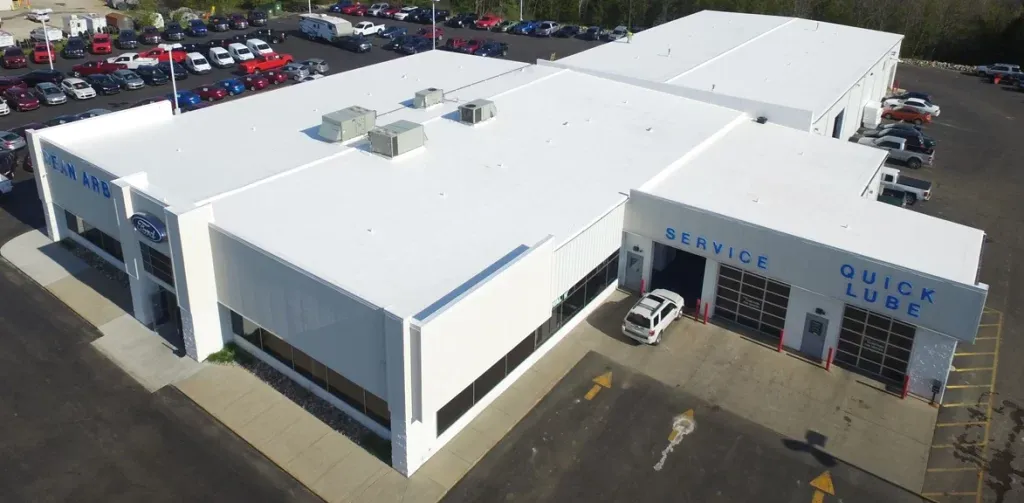
Modified bitumen roofing has been a trusted flat roofing system for decades, especially for commercial and industrial buildings. It’s often…
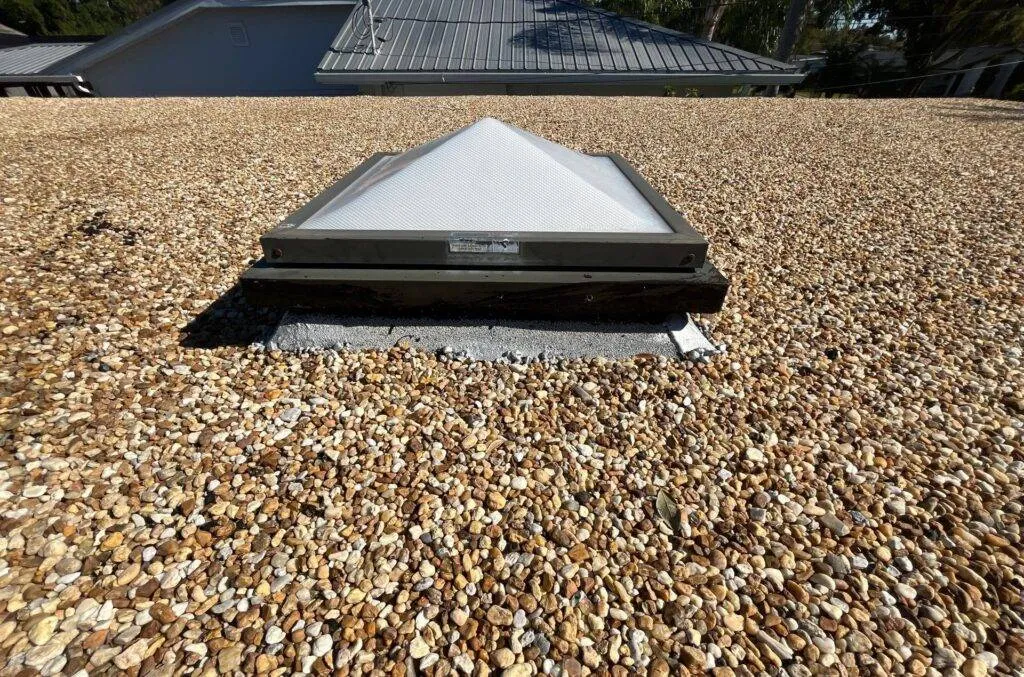
Built-up roofing, often referred to as BUR, has been a trusted roofing system for over a century. Known for its…
Get a professional evaluation and see if a Duro-Last single-ply system is the right solution for your building. Our team provides clear recommendations based on your roof’s condition, drainage, and long-term goals.
Share a few quick details about yourself and your roof below. One of our experts will reach out to schedule your no-cost, no-obligation inspection. Prefer the phone? Call us directly at (407) 841-6471
Use the form below to give us some details about your project and we’ll get back with you as soon as possible! Or call us today at (800) 303-8392.
Share a few quick details about yourself and your roof below. One of our experts will reach out to schedule your no-cost, no-obligation inspection. Prefer the phone? Call us directly at (239) 908-1700.
One of our certified inspectors will evaluate your roof, document any issues, and provide photos + recommendations — all at no cost.