The Truth About Modified Bitumen Roofing

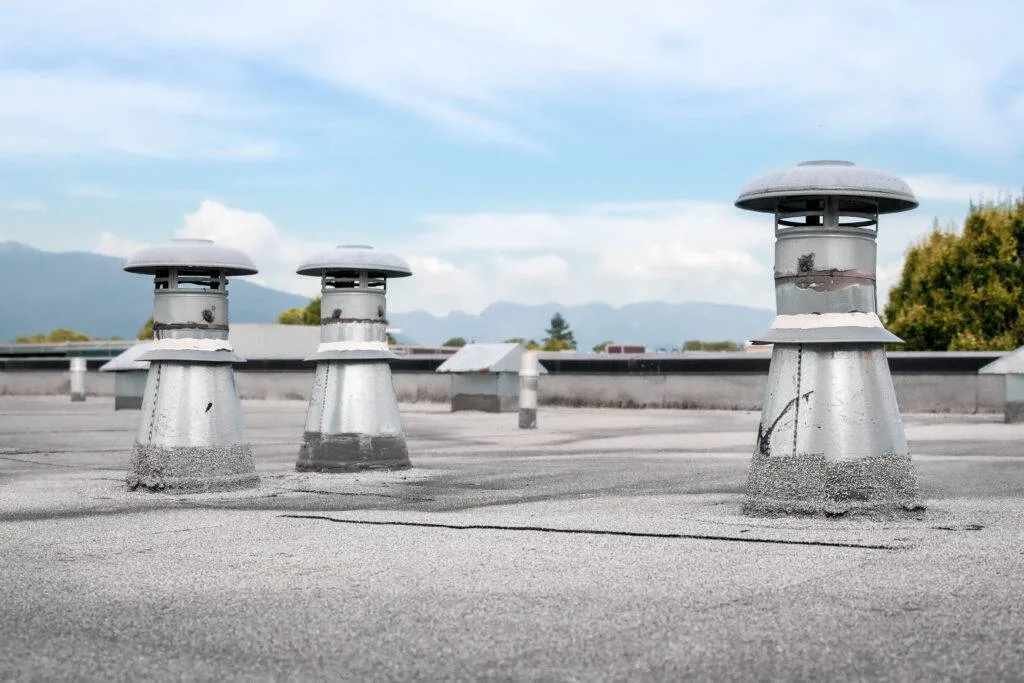
Flat roof vents on building with 2-ply SBS or modified bitumen roofing system. Group of metal ventilators such as: bathrooms and laundry exhaust and plumbing stack vent. Selective focus.

Modified bitumen roofing has been a trusted flat roofing system for decades, especially for commercial and industrial buildings. It’s often seen as an evolution of traditional built-up roofing (BUR), offering better flexibility and easier installation methods. But while modified bitumen has its advantages, it also comes with some serious drawbacks that modern roofing materials have been designed to overcome.

Let’s take a closer look at the pros and cons of modified bitumen roofing:

Advantages

  • Multi-Layer Protection: This roofing system is typically installed in multiple layers, which helps increase redundancy and resistance to leaks. If one layer is compromised, the others still provide protection.
  • Good UV Resistance (When Granulated): Granule-surfaced modified bitumen membranes offer better UV protection compared to traditional asphalt roofs. This helps slow down the aging process caused by constant sun exposure.
  • Multiple Installation Methods: Contractors can install modified bitumen using several methods—torch-applied, cold-applied, or self-adhered—depending on the project’s safety requirements and budget.


Disadvantages

  • While modified bitumen has served the industry well, there are several important drawbacks to consider, especially for building owners looking for long-term performance and cost stability.
  • Petroleum-Based Material: Modified bitumen is derived from petroleum, which means its price fluctuates with the oil market. When oil prices spike, so do material costs—making budgeting unpredictable for property managers.
  • Heavy Material Load: The system is very heavy, adding significant structural load to the building. This can be a concern for older structures or those not designed for additional weight.
  • Thermal Shock Issues: Like built-up roofing, modified bitumen is prone to thermal shock—cracking or splitting caused by rapid temperature changes. This limits its flexibility and longevity in climates with wide temperature swings.
  • Rigid and Difficult Around Flashings: The material’s rigidity makes it difficult to form around flashings, penetrations, and complex roof details. Improper installation in these areas often leads to leaks.
  • Vulnerable to Ponding Water and Grease: Ponding water or exposure to greases and animal fats will break down the material over time, accelerating roof failure, making this type of roofing material undesirable for restaurant facilities.
  • Granule Loss Accelerates Deterioration: The granule surfacing that protects the membrane can loosen and wear away over time. Once granules are lost, UV rays rapidly deteriorate the underlying material.


Why PVC Membrane Roofing Is a Better Option

PVC membrane roofing has become one of the most popular choices for commercial flat roofs—and for good reason. Unlike modified bitumen, PVC is lightweight, flexible, and engineered for long-term performance.

Here’s why many property owners are making the switch:

  • Superior Flexibility: PVC remains pliable and adapts to temperature changes without cracking.
  • Chemical and Grease Resistance: Ideal for restaurants or facilities where rooftop exhaust can damage other materials.
  • Heat-Welded Seams: Creates a watertight bond that’s far stronger and more reliable than adhesives or torch-down seams.
  • Energy Efficiency: White PVC membranes reflect sunlight, reducing cooling costs and extending roof life.
  • Lightweight Construction: Puts less stress on the structure yet still offers exceptional durability.


While modified bitumen roofing had its place, but modern roofing technology has evolved. PVC membrane roofing delivers longer lifespan, better performance, and lower lifecycle costs—making it the clear choice for today’s commercial and industrial roofs. Our team can evaluate your current system and show you how a PVC roof can deliver better performance, lower maintenance costs, and improved energy efficiency for years to come. Learn more about our commercial roofing solutions here. 

Schedule Your Free Roof Inspection

Share a few quick details about yourself and your roof below. One of our experts will reach out to schedule your no-cost, no-obligation inspection. Prefer the phone? Call us directly at (239) 908-1700.

Schedule Your Free Roof Inspection

Share a few quick details about yourself and your roof below. One of our experts will reach out to schedule your no-cost, no-obligation inspection. Prefer the phone? Call us directly at (407) 841-6471

Get a Quote...

Use the form below to give us some details about your project and we’ll get back with you as soon as possible! Or call us today at (800) 303-8392.

Schedule Your Free Roof Inspection

One of our certified inspectors will evaluate your roof, document any issues, and provide photos + recommendations — all at no cost.